4 Photography Tips Based on Your Questions
In this post I’m going through four photography tips, advice and opinions in response to comments, questions, interactions, and conversations I’ve had over the last year in real life and over on my YouTube channel.
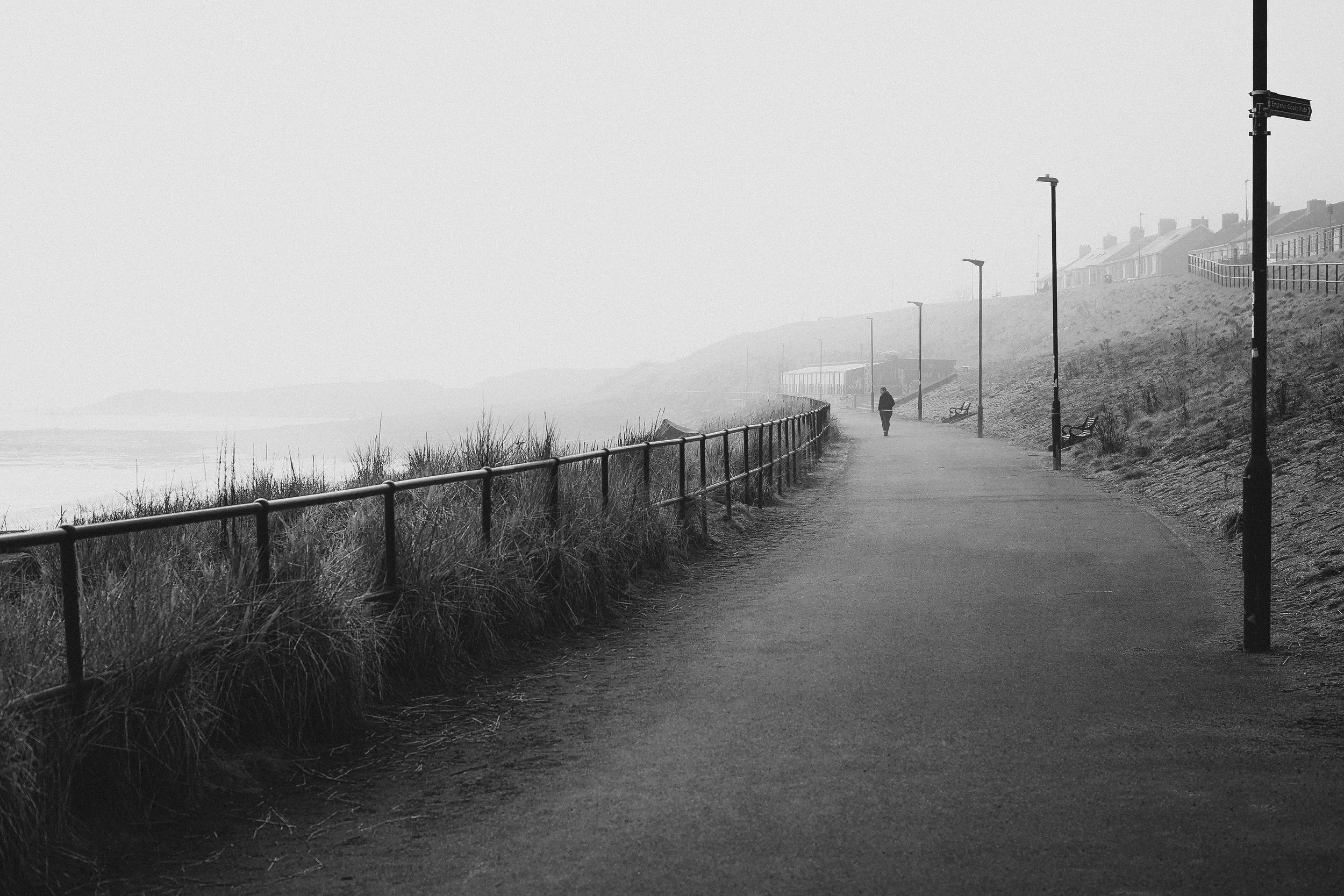
Deconstruct Your Favourite Photos
Improving your own photography without taking photos might sound like the most ridiculous concept ever, but stick with me and I’ll explain why it’s not.
You could be stuck indoors injured or sick, you could be on a long flight or train journey, or your camera could be in for repair, the point is this is something you can do while you're not out taking photos that will, in the long run, improve your photographic eye.
Next time you come across a photo that stops you in your tracks for longer than five seconds, instead of just clicking 'like' or saying to yourself, "that’s amazing" in your head, and then scrolling on or going to view something else:
Screenshot it and save it for later. Then when you have time, maybe you build up a few photos that really resonated with you, deconstruct them. Annotate it, figure out why you like it, why you find it so pleasing to look at, and why it stopped you scrolling.
Once you have figured out why an image really spoke to you, or what makes it so pleasing, try and either bank that in your mind for going forward, or even better, try recreating a similar approach yourself next time you’re out. This will help you understand the choices professional photographers make and widen your own vision.
Don’t Choose Orientation Just for Social Media
When you're out taking photos and you find something you really like the look of, the scene you are faced with or the moment happening at that time should dictate your orientation choice in terms of whether you shoot landscape or portrait for that particular shot.
The current biggest standard for sharing and promoting the final photo online should not be the controlling factor on how you take your photos. For far too long, this has obviously been Instagram’s portrait crop. I’d bet all my camera gear there are a million photographers who are taking all of their images in portrait orientation simply because that’s what looks best when they post.
Which, you know, I can understand to a degree, you want your photos to look awesome when you post them. But here’s the thing: Instagram, or whatever social media you’re choosing to share photos on, probably won’t be your chosen platform forever, and it won’t do your photographic eye any good if you simply photograph scenes to fit into a particular posting standard.
Unless, of course, you’re specifically shooting a social media campaign, which most of us aren't. Some scenes and moments are simply made for landscape orientation; others work best in portrait. Put the work in to learn which one fits best for what you’re photographing to get the best possible end result for yourself and your archive of work.
Your Photography Style Is More Than Just Editing
I can’t remember if I have briefly mentioned this in a post before or not, but a topic I get asked and hear about more than anything else is photography style, or more so how people can’t or struggle to find their style.
This is a real hurdle for everybody, especially those who are past the beginner stage and really looking for direction. But the problem is, most seem to think of their photography style as how they simply edit photos.
And when I ask, "well, what type of feeling do you want to portray in the images you take, or what do you like taking photos of the most?" people always talk about the way in which they edit photos.
Your editing might play a major role in the final look of your photos and obviously does contribute to a certain look or cohesiveness to your work, but your photography style starts right at the beginning with:
The medium you choose.
What you photograph.
How you compose images.
Do you always include people or do you shoot lonely scenes/busy scenes?
Do you set images up with props or are you drawn to minimalism?
Do you only enjoy photographing places with history that interests you?
I could go on and on, but all of this plays a way, way bigger role in your ‘photography style’ than the way you choose to edit your images.
So if you ever feel like your photos aren't working correctly or you lack direction or enjoyment, think about the very start of the photographic process again, not how you’re editing or whether you need to change the way you edit. Editing comes at the end for a reason.
Use Unproblematic Camera Gear
Now, I’m not somebody who cares who uses what camera gear, and only you can be the decider of whether a piece of gear belongs in your kit or not. But the biggest thing I will say about everybody's gear and what you choose to carry around in your bag, is that whatever it is, I think it will get you the best results if it’s unproblematic.
In other words, the best possible camera kit you can own, is the one that causes you no problems. To give you a simple example, my last camera body didn’t have a fully articulating screen, and that got in the way of a lot of my shooting.
I like to get low, I like to use weird angles and hold my camera in a position which will allow me to get the photo I want with the least amount of friction. And the screen on my last camera didn't allow me to do that with full freedom. So it just got in the way of photos I wanted to take from angles I couldn’t monitor.
What I’ve found is any little annoyance like that, takes you away from being immersed in the photo opportunity at hand, framing it up and executing it, and gets you thinking way too much about what’s in your hand.
And worst-case scenario, it might be the reason you don’t get a photo you want because it simply doesn't perform in that moment for you, or maybe you can’t even be bothered to set that bit of gear up because it’s such a faff.
Long story short, the best kit you can have is the one that causes no friction. And I’d actually say the best indicator of you needing to change, upgrade, or invest in any other camera equipment is when you do notice a certain piece of gear getting in the way like that.