4 Realisations After 10+ Years of Photography
Simplify Your Composition
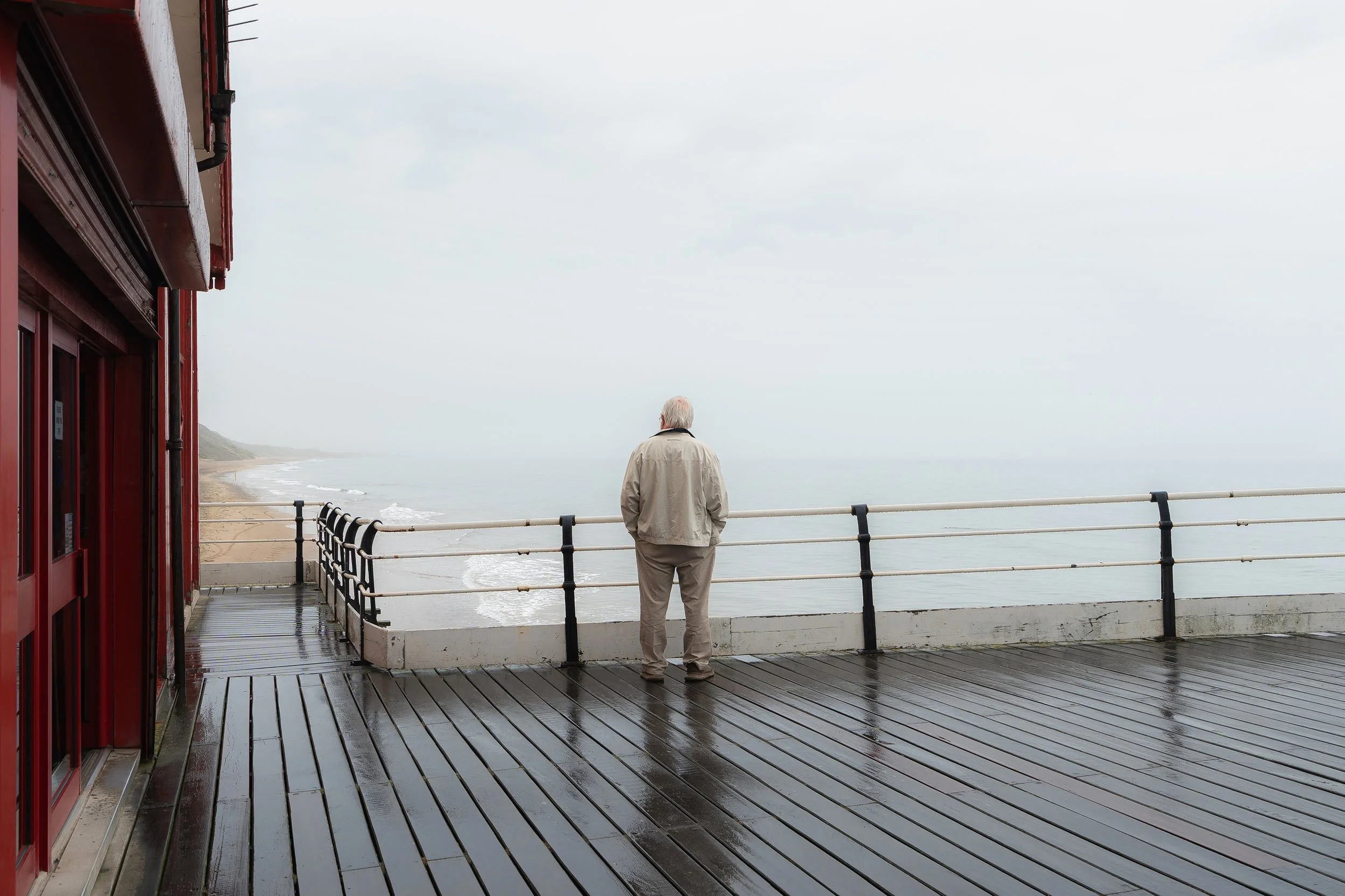
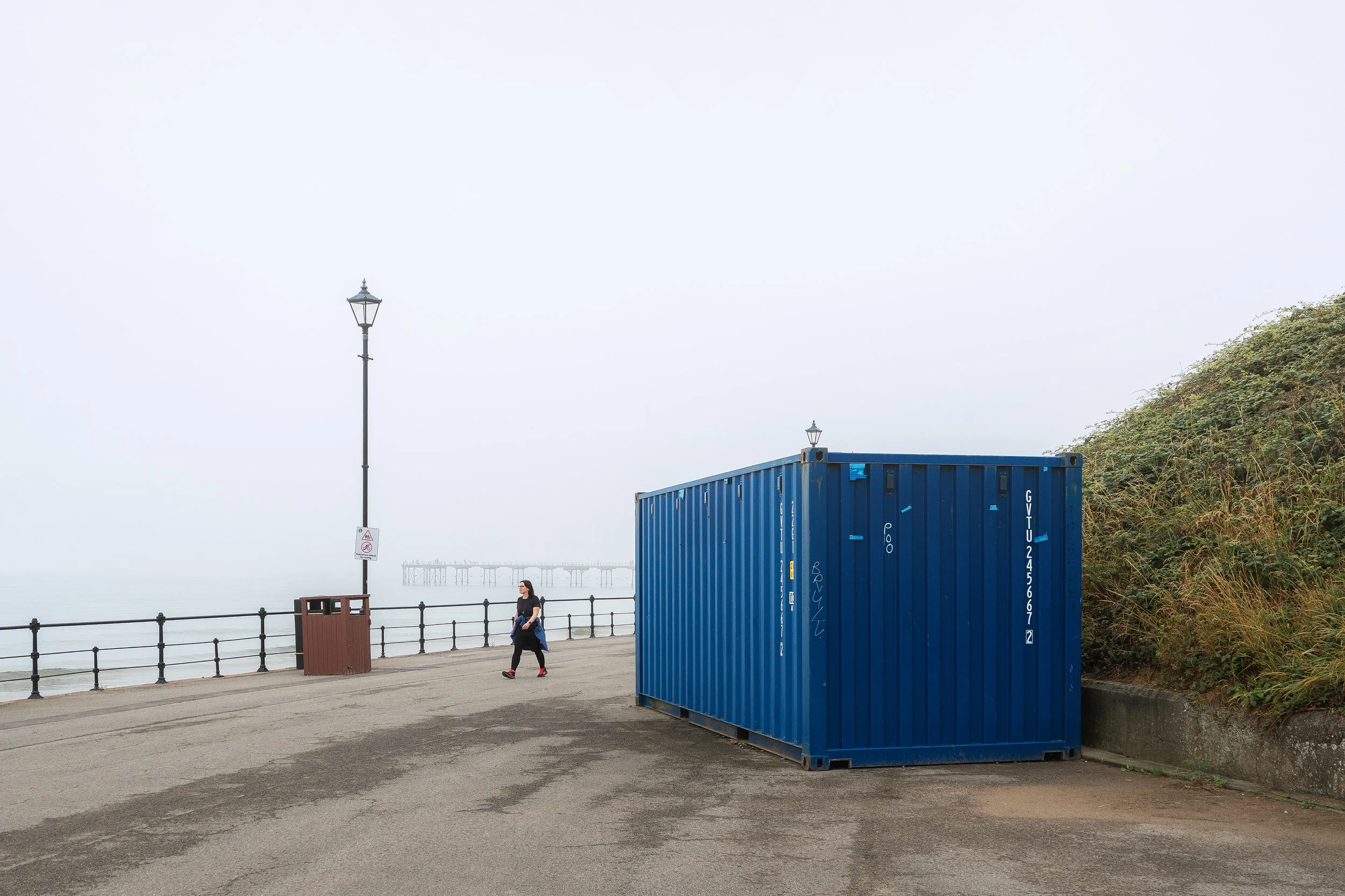
I spent many years over-complicating composition, thinking that all of my photos needed to be complex and contain multiple clear compositional elements. I think this actually slowed down my progress because when I was out shooting, rather than framing scenes based on instinct and feeling, I’d over-think everything, try to include too much, and try to bring in photography rules that didn't even fit the photo in front of me.
The turning point for me here was when I realised (at least for me and my photography) that the simpler the composition, generally the more I liked the result of my photos.
Photography composition is something we can never truly master. Even when we think we have got close to it, there’ll be a location or scene that stumps us and either makes us work a hundred times harder or we come away without a photo we like.
Some scenes require more work and require us to bring in more complex composition to make the photo interesting, but others work fantastically just keeping it really simple. Not all photos need to be action-packed; not all photos need something filling every third of the frame.
I often see comments online saying, “there’s no composition here,” just because it doesn't have a foreground, mid ground, and background, or doesn't follow the rule of thirds. But to me, that isn't what makes a well-composed photo; a well-composed photo is something that simply just works. We take bad ones, we take good ones, but not all of them need to be complex.
If you are struggling with composition, simplify it right down to the basics for a while and bring in smaller additions as you go along and when you see fit.
Don’t Wait, Just Go
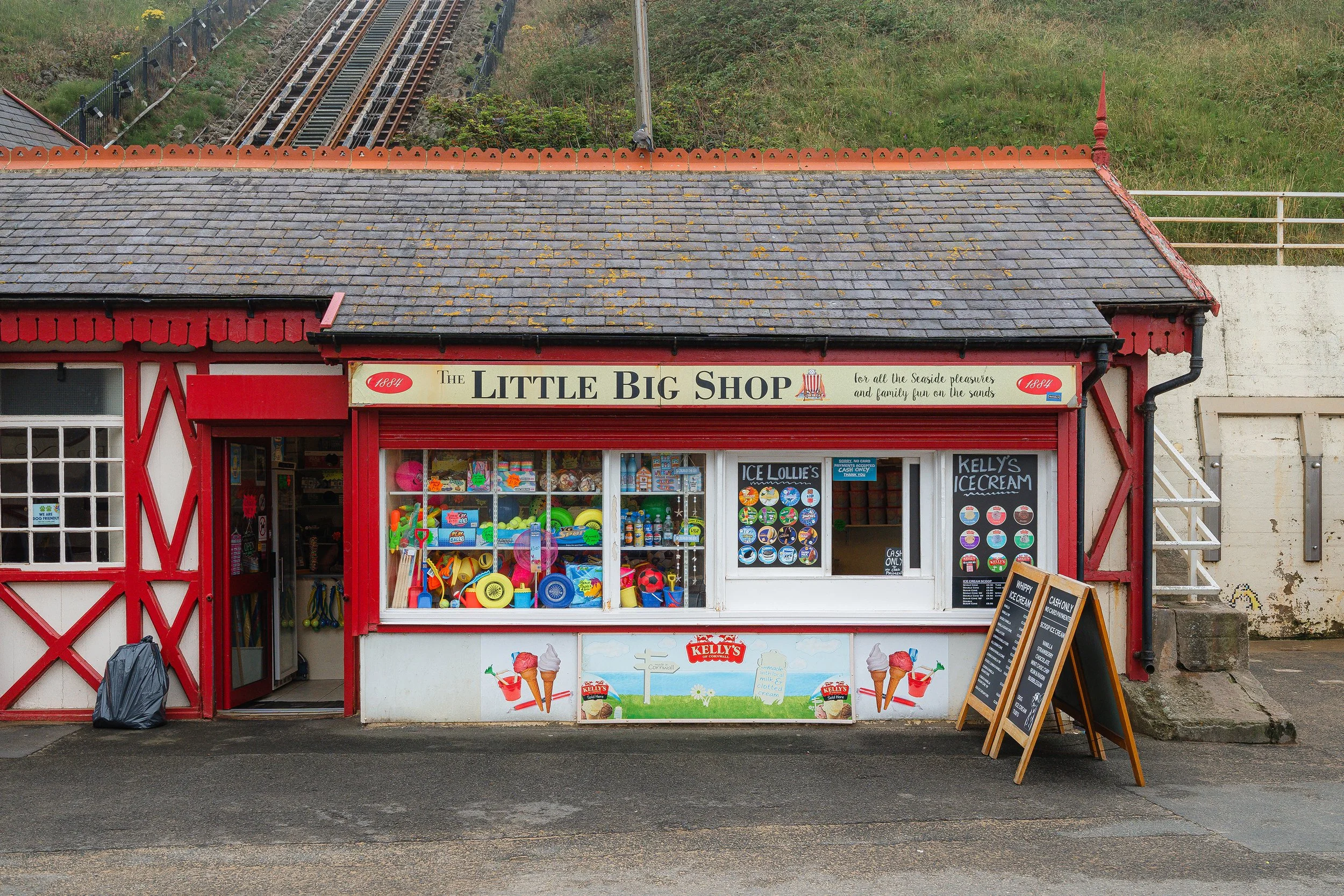
I used to be the guy sat at home checking the weather and looking out of the window, only heading out with my camera if I could visually see there was going to be an incredible sunset, or sitting in all winter waiting for a foggy morning to magically appear.
Don’t get me wrong, planning is a huge part of photography and holds major value in lots of areas, but over-planning and only ever shooting when the stars align can hold photographers back.
The fact of the matter is, you can’t always plan all of your best photos, and if you’re still in your early years of photography, then getting out in all conditions as much as possible will teach you far more than going out once every few weeks when the conditions are perfect.
I always say what’s more valuable than waiting in for the perfect conditions is putting in the reps to learn what locations and subjects you like to photograph in what situations. You can still check the forecast, check the sun’s direction and tide times if you wish, but ideally, you should have a wide array of places that suit photography on any given day.
If you want to really niche down for a photo project and say, only shoot the city in the winter time, then go for it. But don’t let days and weeks go by that you could be out practising and having fun with your camera gear in between those moments.
Deleting Photos is a Sign of Growth
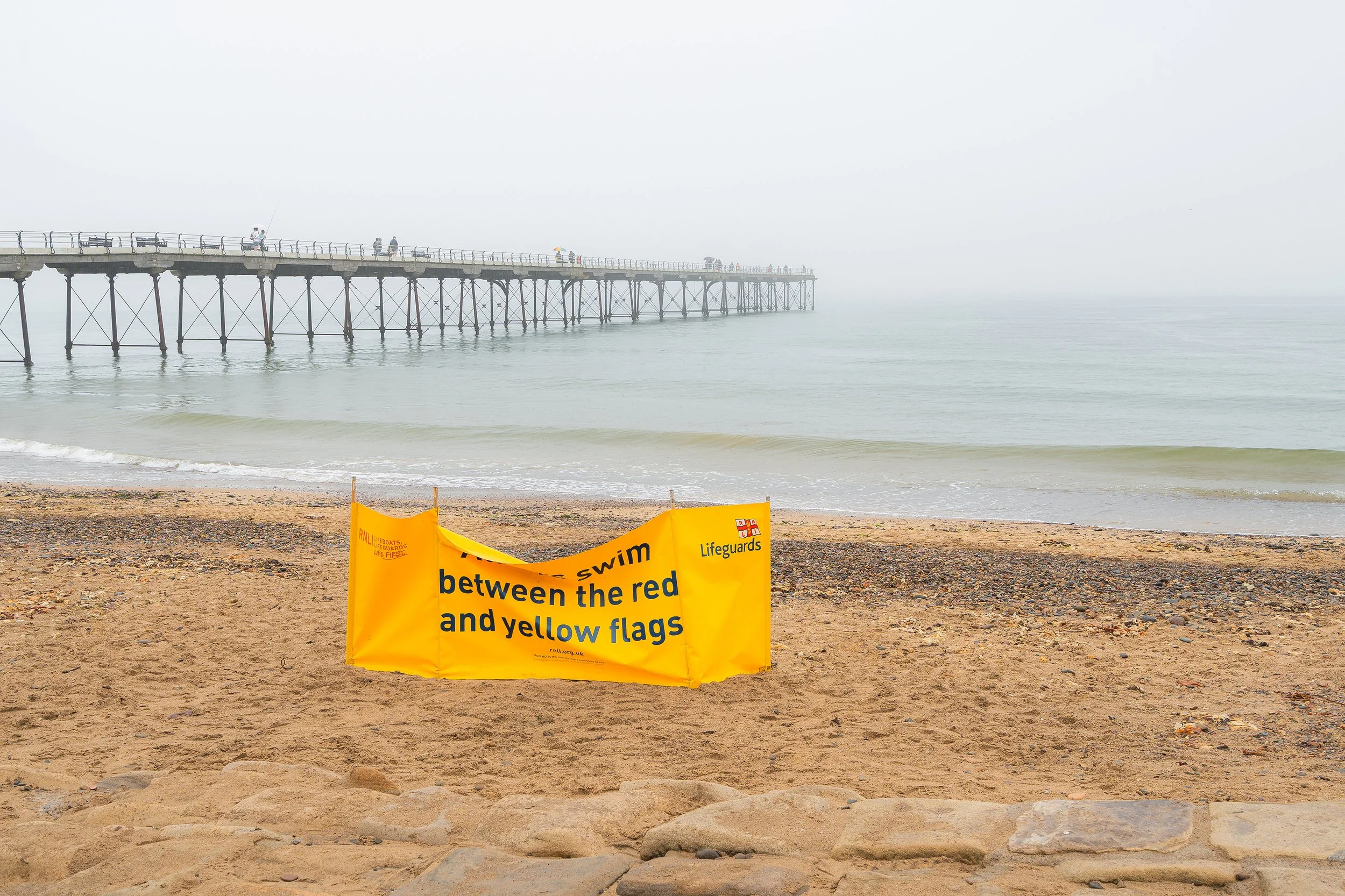
I’ve had many, many photo sessions, trips, or days out over the years where I’ve come back and sat at the computer pressing delete for what felt like the majority of the photos. Which at first can feel like failure slapping you in the face.
The turning point for this was when I realised I was deleting photos I would have been happy with five or ten years ago. The very fact I was unhappy with them now, was proof of how much the bar had risen over the years, even if I couldn’t see it on a day-to-day basis.
Deleting photos isn’t always a sign of failure; it’s a sign of growth and a much more clear direction. Not to mention your hard drives will thank you when you come to terms with the fact you don’t need to keep 200 photos of the same subject. The better you get at photography, the faster you will be able to pick out the one or two images of a subject you like the most.
Rather than trying to save a terrible photo in post or turn it into something that it’s not, getting rid of it and trying again is a sign of major progress.
Style is Constant Development
I was obsessed with finding my photography and editing style for many years. There were times I’d sit down to edit and say, “right, I’m going to develop my own style and stick to it.” There were periods I went through shooting one particular style, but the amount of times that style changed over the years based on how I was feeling or what I was interested in at any given time was extremely high.
Fast forward many years, and it’s very apparent to me now: most photographers have to go through loads and loads of styles before we land close to our final form, shall we say. And even then, when we feel as if we're finally there and it’s all clicking, it continues to get slightly tweaked and refined as each year goes by.
There are lots of great ways you can fast-track or work towards finding a photography style sooner rather than later, but the fact is, it takes years and years of shooting and refinement. Don’t put too much pressure on finding your style; it’s overrated in the sense you could create in line with a style for ten years and then all of a sudden go in a different direction.
If you’re happy with what you’re creating right now, keep leaning into it, refining it, and tweaking it. And if you’re unhappy or feel something is missing, then simply experiment to no end until you do land on something that starts to feel like you’re moving in the right direction.
Time is all it takes. There are lots of great posts on finding your style, but time, consistency, and experimentation are actually the only way you get there; there’s no secret path or button to press.