Photography’s Most Overlooked Advice
I think we can all agree that one if not the most important part of photography is composition. Regardless of what camera you’re carrying or how long you've been doing photography, if you fail to compose nicely, you don't do the final result justice.
I think there’s one thing that comes before composition that’s even more important, and that’s what we're going to talk about today.
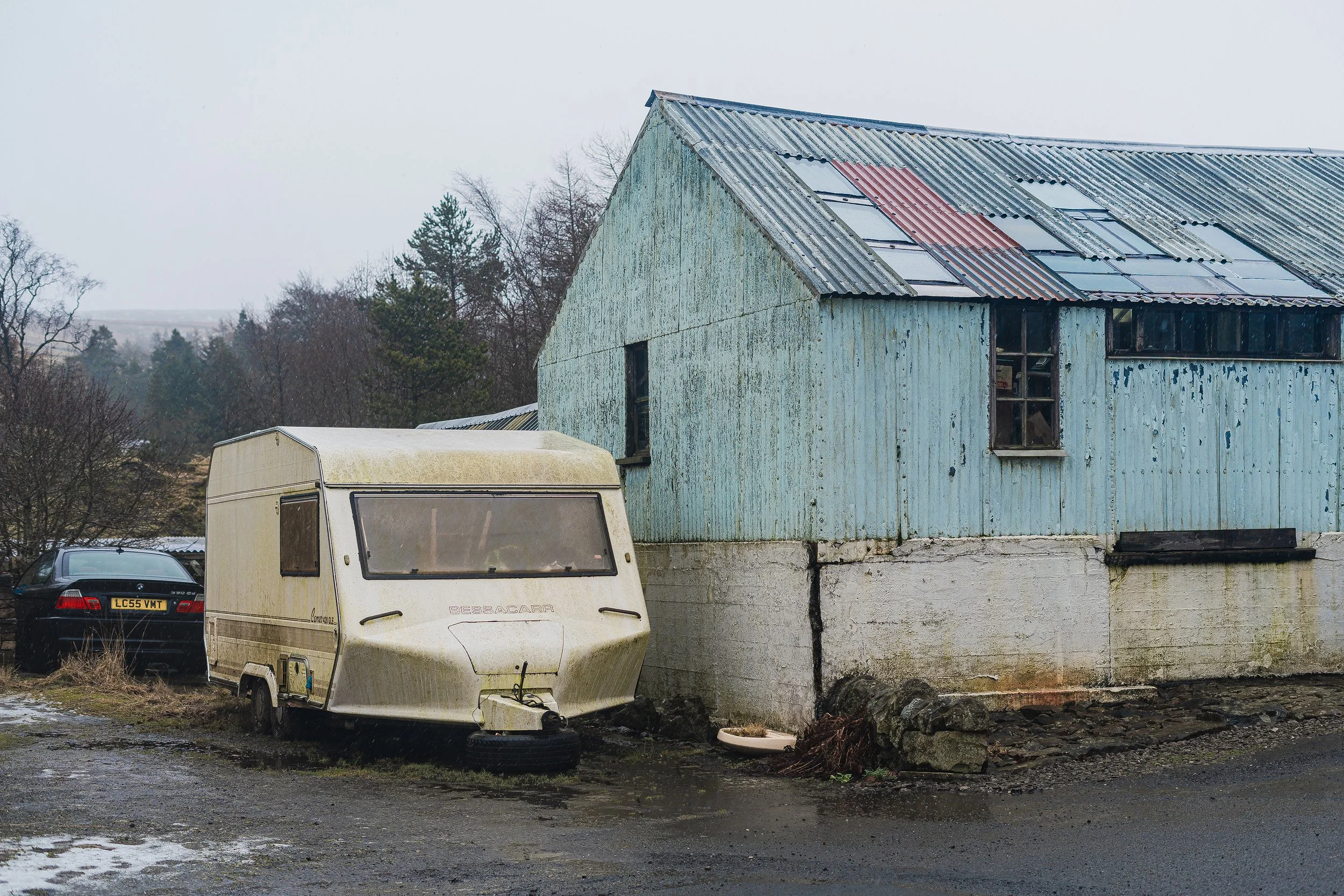
We’ve all been there
I would bet my bank balance (there's not much in it, so don’t get excited) that every single photographer, at some point has done something like this: they arrive at a beautiful place, the view is nice, the light could even be nice. You grab your camera, look in a direction that looks really nice, and take photos.
I’ve referred to this in the past as the happy snapper stage. Because normally, we're just so happy to be in front of a lovely view with our camera, and we just snap, without taking the time to explore, think, and find a way to create an image with more intention.
So, the skill or act that I personally think is as important as composition and comes right at the very start of taking a great photo is scene or subject recognition. We could call this noticing, we could call it our photographer’s eye, but at the end of the day, it's the brain working to find and recognise something that will go on to create pleasing images, more than just standing in a pleasing direction.
Now, you could argue, "well, that is composition," and it is a piece of the puzzle, but overall, I think of composition as the fine-tuning part you do after you’ve found something that’s worthy of pointing your camera at.
So if subject and scene recognition, noticing, and seeing more refined photo opportunities is something you currently struggle with, I have a few ways to aid this and take yourself away from that happy snapper stage.
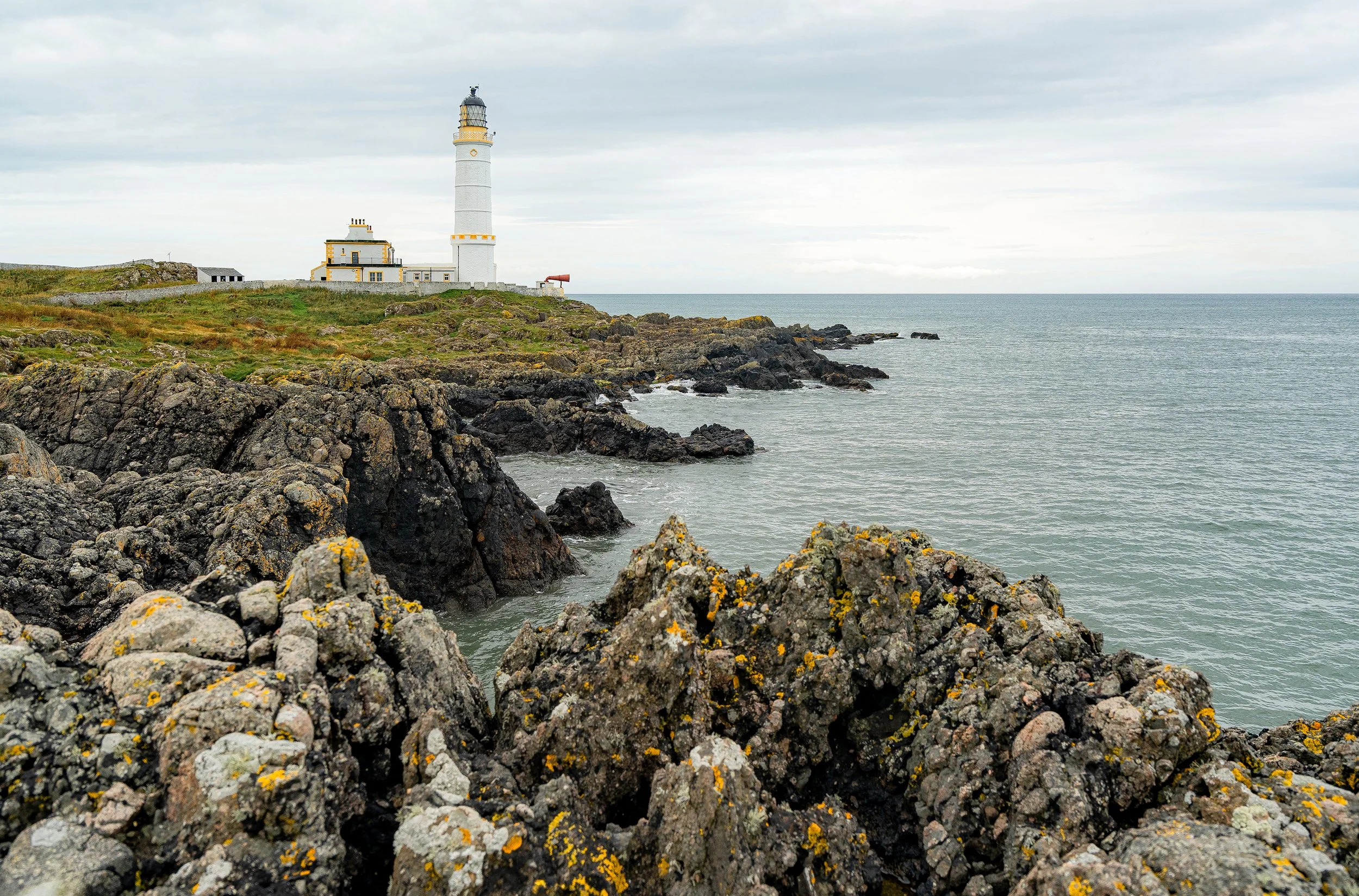
The 5–10 Minute Arrival Rule
First off, the 5–10 minute arrival rule. Some people refer to this as the snack rule. It's dead simple: when you arrive at a location, sit down, grab a snack or a drink, or nothing if you’re still full off that morning's cooked breakfast. And just be there, just sit, look around, and take note of everything you can. Where’s the sun in the sky? What’s the tide doing? What are the colours looking like? Where are different lines coming and going from the environment? There’s really no end to this.
Not only does this give you a moment to appreciate how lovely an area may be, but sitting and taking it in is already a huge step to stopping you from just walking off and snapping in any direction and taking rushed photos because you’re just so excited to be there.
People often say they like to take warm-up shots because you’re shifting slowly into that process of taking better photos. I do agree with that, but I’ve personally found that being present for a little bit and taking stuff in is much better than just taking some warm-up shots, especially because for all you know, the first photo you take on a day could be the best photo you take all day.
Obviously, this probably works best when you’re out in the wilderness as opposed to cities and such. Given the nature of the city environment, warm-up shots can work great, but I have also found personally if I grab a coffee or just stand and chill in an area for a bit when I am in those types of locations, I can ease into taking much better photos than if I started walking down streets and pointing my camera at stuff randomly. But try them both, warm-up shots and sitting and taking stuff in and see which one works best for you.
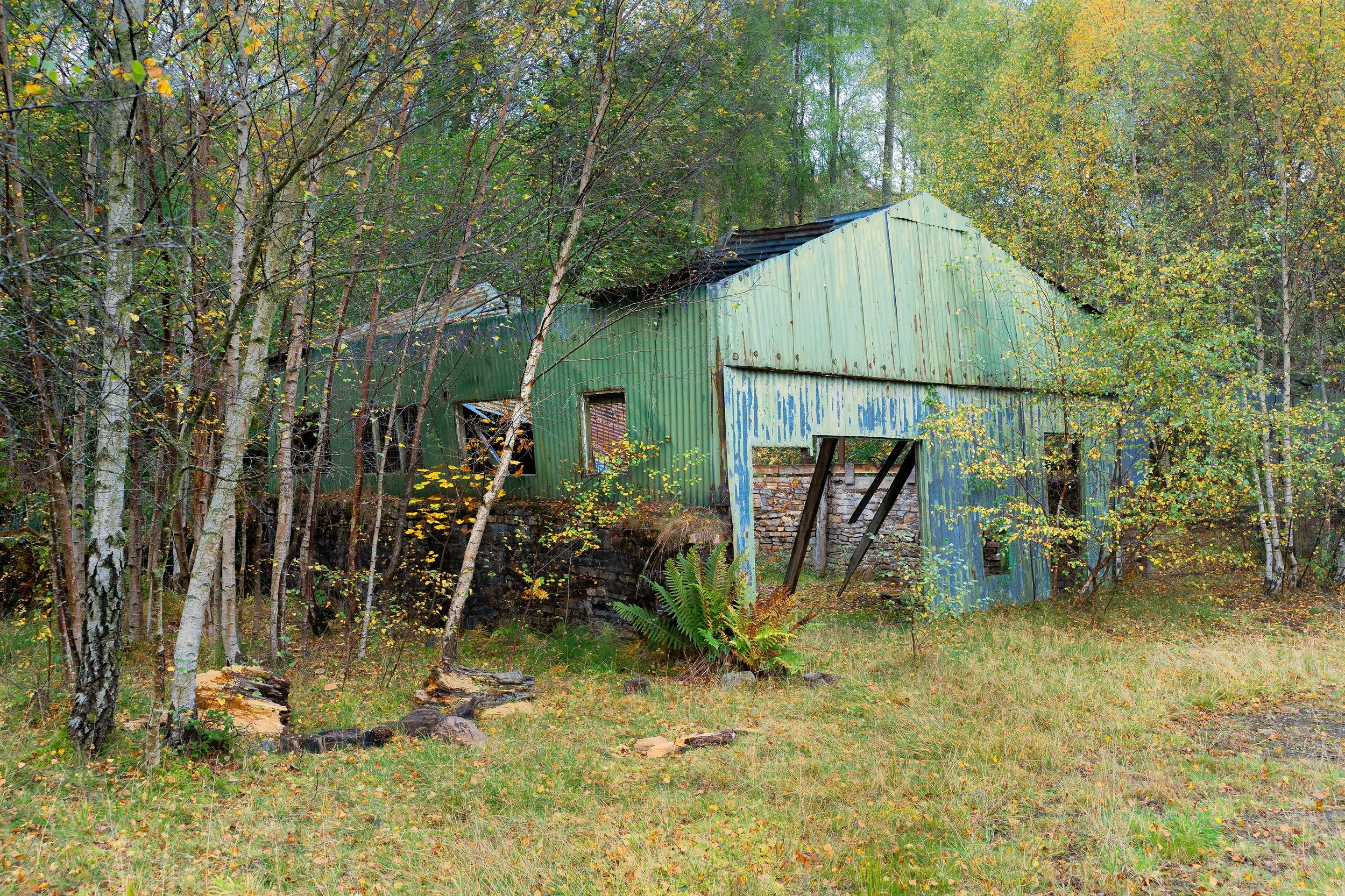
Take Mental Pictures First
Another thing you can do instead of or in combination with that (or for people that struggle sitting still) that will still restrain yourself from instantly snapping away: instead, walk up and down or around, and take mental pictures of stuff. Notice stuff, have a look at angles, what you can see from different vantage points. Try and come up with some photos in your head before you actually press the shutter button.
This works especially well if you’re faced with static subjects like a big building that you can get all the way around, or something that offers many different perspectives. But even when you’re on a beach or walking around a vast area, I find it works really well to just have a bit of a wander. You don’t have to go to Paris and back, but just get looking, move your legs, take in some textures, some details, really look out for stuff that catches your eye and makes you say, “that’s cool.”
Generally, not every single time, but if something makes you stop and say, "that’s cool" or "unique to this environment," or perhaps "that’s something you don’t see often in a location like this," there is more than likely a way to incorporate those things into a well-executed finished photo.
By doing this, you’re also hopefully searching for something different, intricate, or unique about the area, which you can then think about bringing into your photos as an element for when you get to composing.
Scan for Different Images of the Same Subject
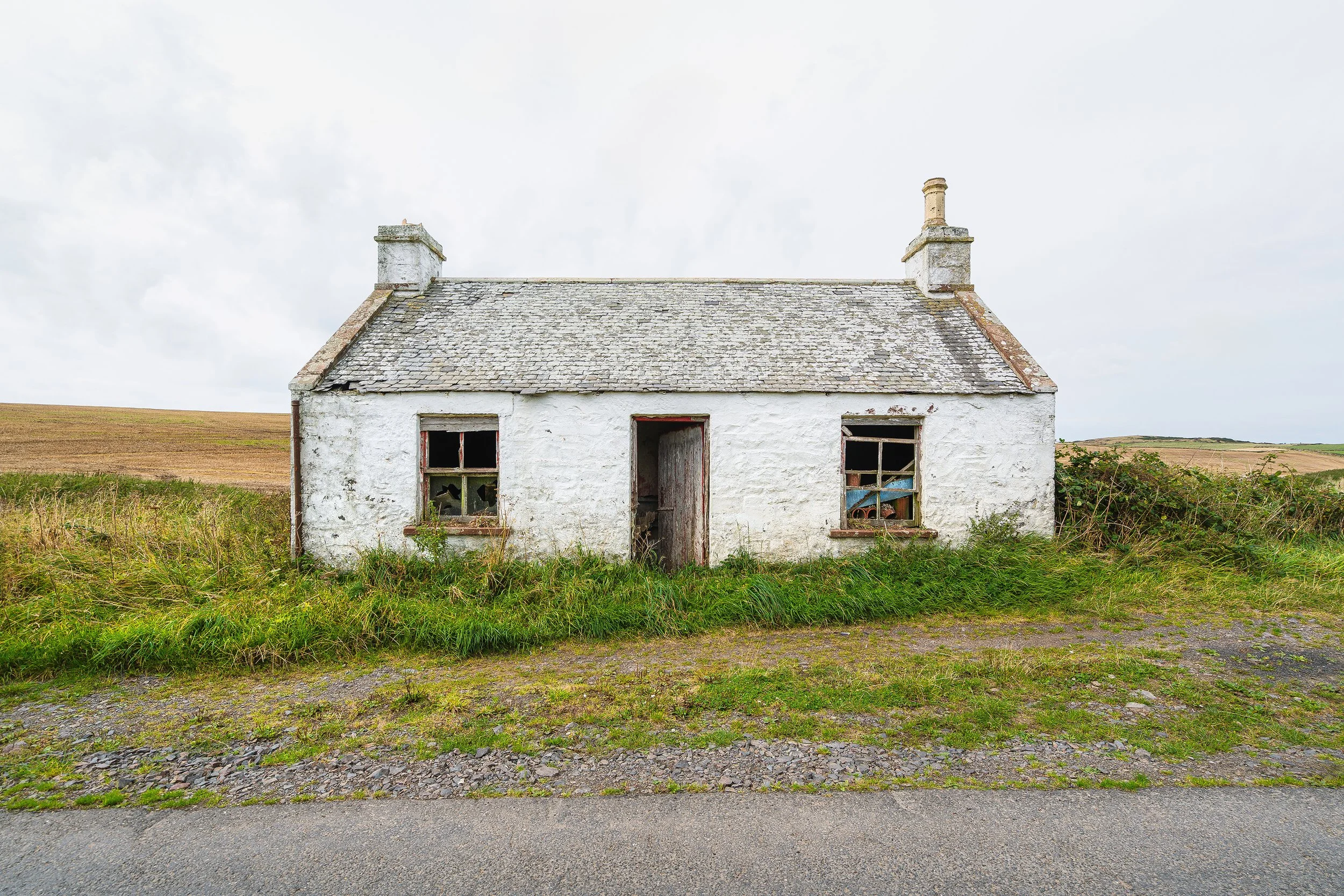
Lastly, a little exercise I would recommend to help you spot and notice photos, subjects, and scenes that work, is scanning or looking for different images of the same thing, once you have taken something you’re happy with.
So, let’s say you take a photo of a car that you’ve composed nicely and you like the image, try not to walk off and look for the next thing right away. Instead, have a scan around and really look for ways you can take a photo of that car again, but in a completely different way.
This really helps to keep you in that mindset of thinking harder rather than just again, snapping a photo, walking off, and snapping another photo in another direction.
And over time, as you build up that knowledge of all the different ways in which you can take a photo of the same subject but in drastically different ways, you’re going to mentally bank it all and be able to pull them out at any given time when you need them.
The more unique ways you can notice and successfully compose a pleasing image of the same thing, the more likely you are to use some of those techniques again in the future, keeping you away from being overwhelmed by how lovely the view is in front of you and just frantically taking photos with no thought behind them.